The Bhasma Aarti at Mahakal
What the aarti is, how the permission is booked, what the morning is actually like at two o’clock, and what to do if you do not get a place.
Temple guide · 9 min read · Updated
- Where
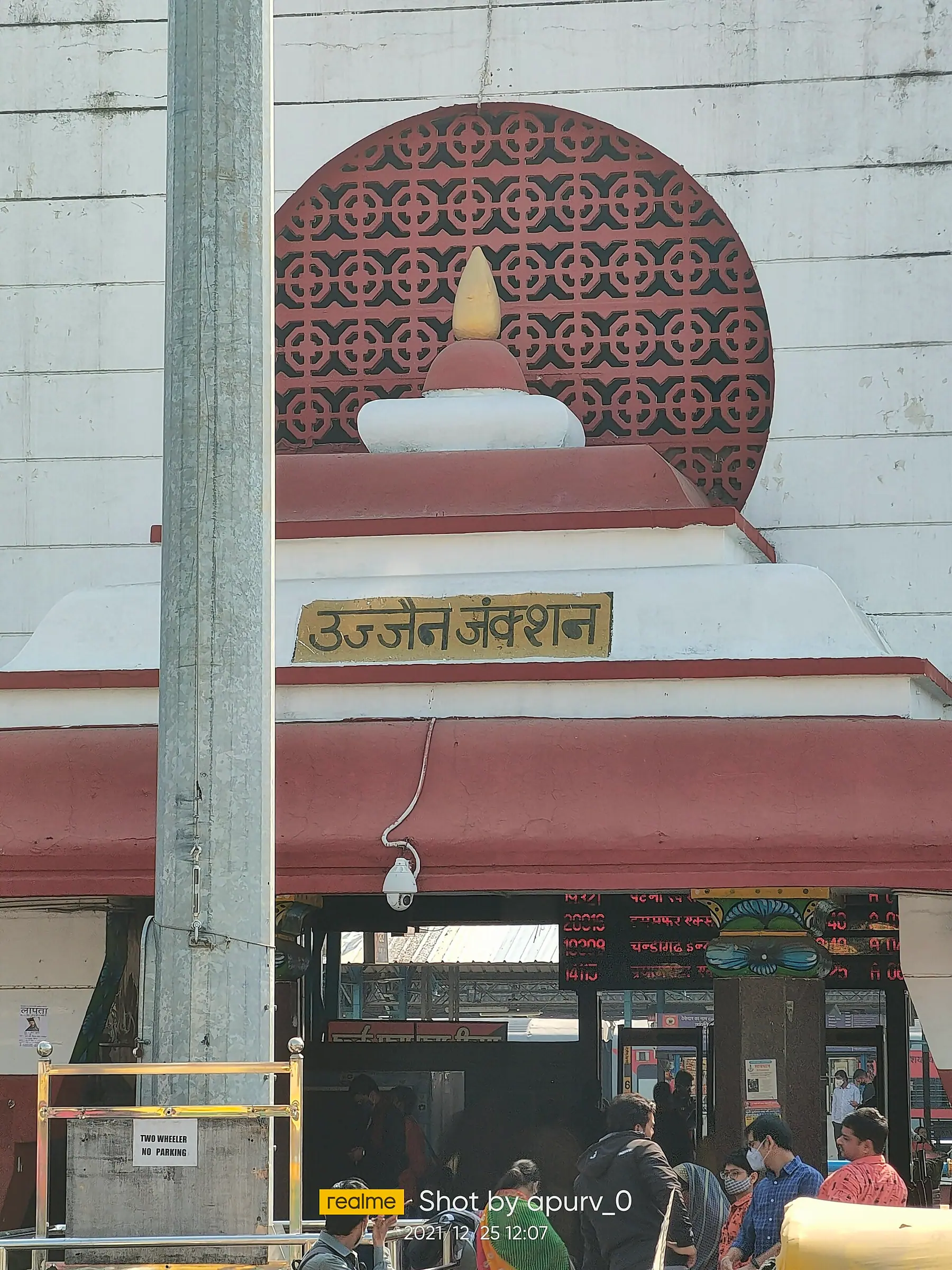
- Mahakaleshwar Jyotirlinga, old city, about 2 km from Ujjain Junction
- The aarti
- Every morning, in the early hours, roughly between four and six
- Booked
- In advance, on the temple’s own portal at shrimahakaleshwar.com
- Fee
- ₹200 a head at the time of writing, set by the temple
- Ordinary darshan
- Free, all day, no booking
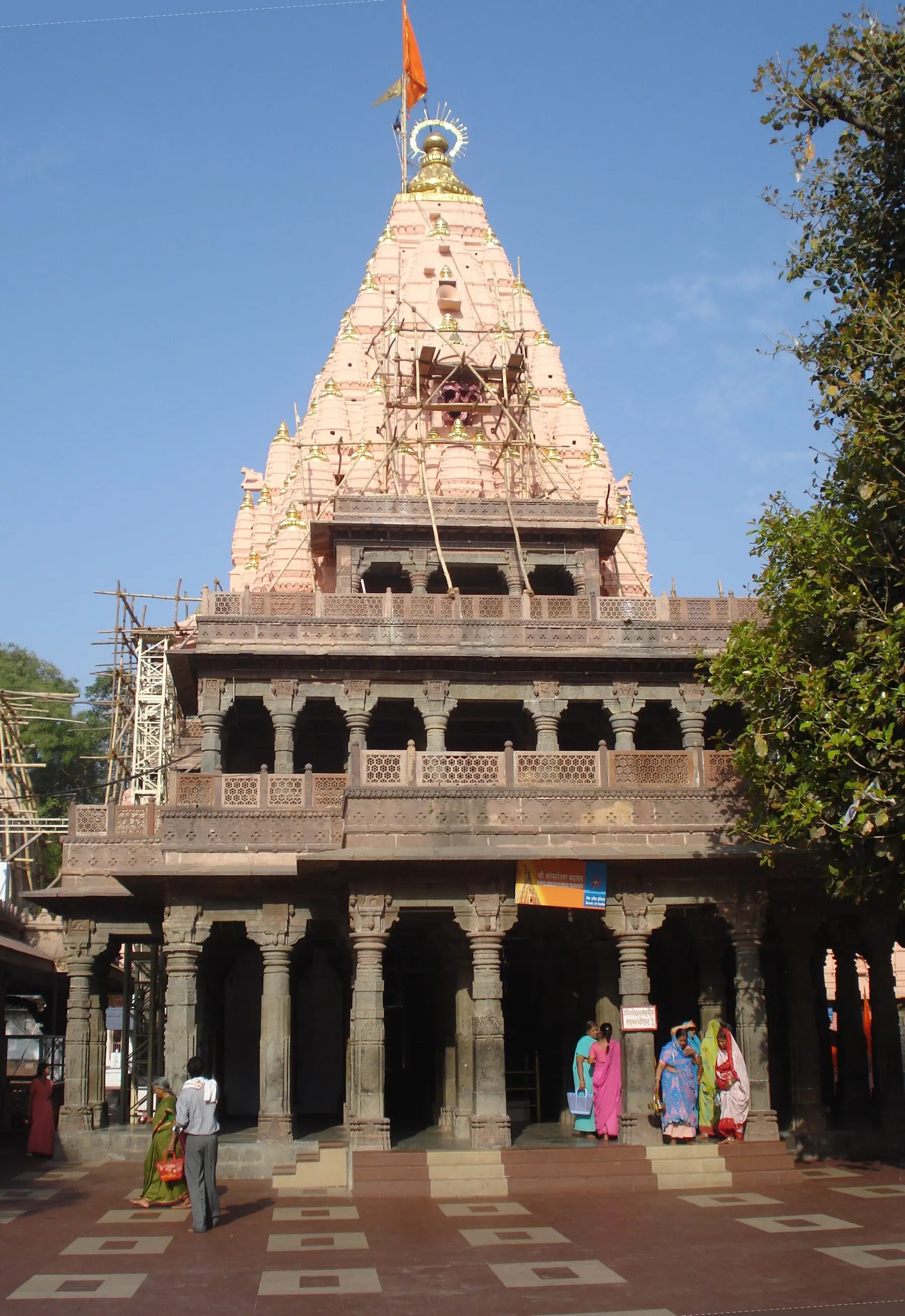
Ujjain has hundreds of shrines, and one of them decides almost everybody’s plans. Mahakaleshwar is one of the twelve jyotirlingas, the shrines where the lingam is held to be swayambhu, self-manifested, rather than installed by hand. It is also the only one of the twelve whose lingam faces south, which is why it is called dakshinamukhi, and why some rites are performed here and almost nowhere else.
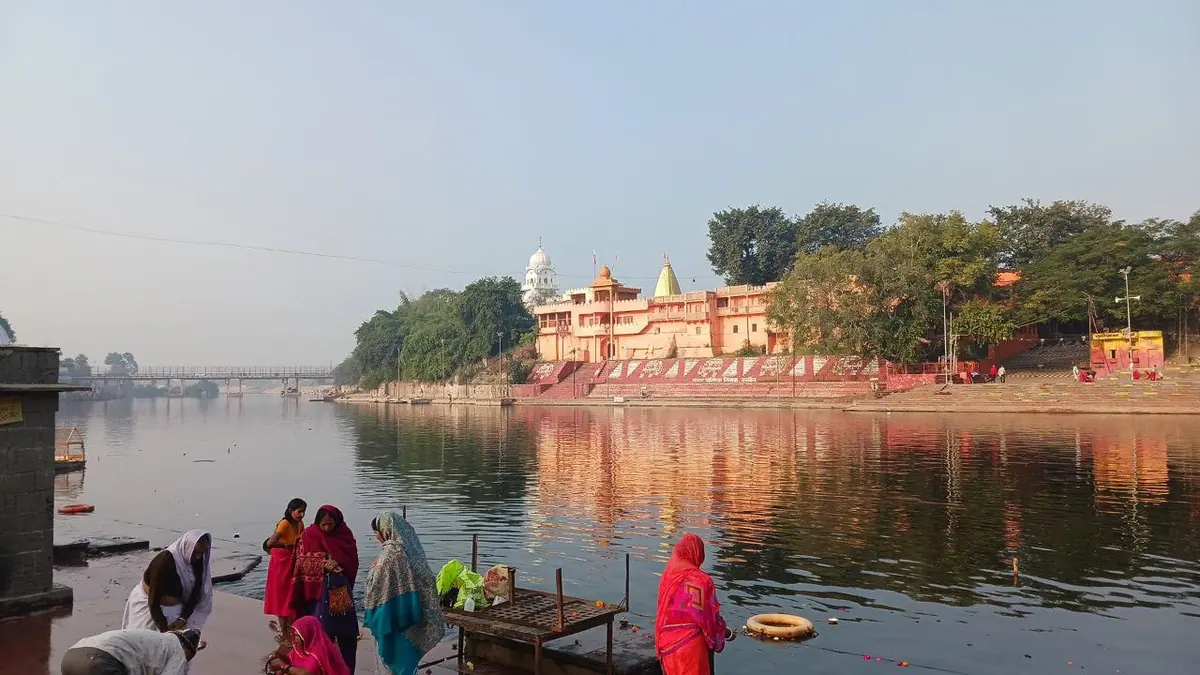
The temple stands on the eastern side of the old city, beside the Rudra Sagar tank and about two kilometres from Ujjain Junction. The sanctum is below ground; you go down to it. Directly above it is a second shrine, Nagchandreshwar, which opens for one day in the year, Nag Panchami, and stays shut for the other three hundred and sixty-four.
The Bhasma Aarti, in plain terms
The Bhasma Aarti is performed every morning before sunrise, when sacred ash is applied to the lingam as the mantras are recited. It is the only aarti of its kind at any of the twelve jyotirlingas, and it is the reason most families reach Ujjain the evening before rather than on the morning itself.
- It is performed daily in the early hours, in the window between roughly four and six in the morning.
- Places in the hall are limited, and permission has to be arranged in advance. Arriving at the gate without one does not work.
- Booking is done on the temple’s own portal, shrimahakaleshwar.com. A small per-person fee applies: ₹200 a head at the time of writing.
- A separate, smaller release of same-day or next-day places is made each day, and those go within minutes.
- You carry a printed permission, and the photo ID whose number you booked under.
Timings, fees and booking rules are the temple committee’s, not ours, and they change, particularly around Shravan, Mahashivratri and a Simhastha year. Check the official portal before you travel. We can tell you what is being released at the moment; nobody outside the committee can promise you a place.
What the morning actually looks like
Reporting is early. Well before the aarti, usually somewhere in the two o’clock hour, because everyone entering is checked. The queue forms outside the designated gate in the dark. Phones and bags are not carried inside and have to be left behind, so plan for that rather than discover it at the barrier.
For the aarti hall itself the temple asks men to wear a dhoti or sauple, and women a saree. Shops by the gates sell and rent both, and they are open at that hour. Whether it is enforced on a given morning is the committee’s call.
From November to February it is genuinely cold at that hour, and the floors are stone and often wet. If somebody in your family is elderly, this is the one part of the trip worth planning the rest around. A room within walking distance of the gate is the difference between a calm morning and a hard one. You are awake at half past one either way, but you are not also looking for a taxi.
If you do not get a Bhasma Aarti place
Most visitors do not, and it does not spoil the trip. Ordinary darshan is free and runs through the day. There is also a paid priority entry that shortens the queue, and on an unremarkable weekday morning the general queue moves faster than people expect.
- Mondays are busier than other days. Mondays in Shravan are the busiest days of the year.
- Early afternoon is usually the quietest stretch on an ordinary day.
- The evening aarti is open to everyone and needs no booking at all.
- On Nag Panchami, Mahashivratri and the Shravan Mondays the crowd runs into lakhs. If that is not what you came for, pick other dates.
The corridor, and the rest of the complex
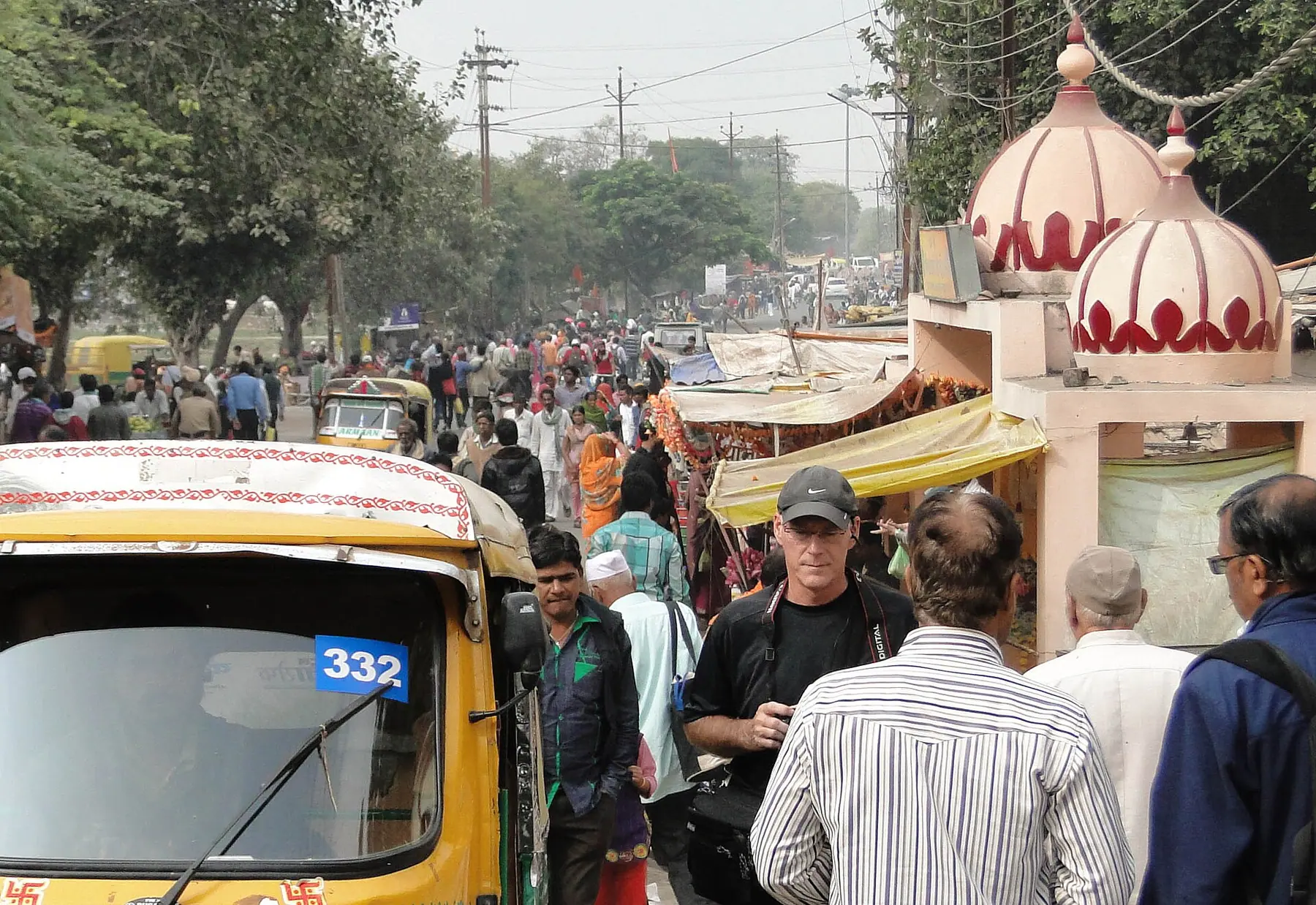
The Mahakal Lok corridor along the approach is worth half an hour of its own: a long colonnade of murals and sculpture from the Shiva story, lit after dark. It is flat, paved and has somewhere to sit, which makes it the one part of the city anybody can see comfortably without standing in a queue. Chaubis Khamba, the twenty-four-pillared gate of the old temple wall, is a few minutes’ walk away, and Harsiddhi is the next shrine along.
What to carry, and what to leave
- The photo ID you booked under, and a printed copy of the permission.
- A shawl or a light blanket between November and February.
- Socks. The stone is cold and wet, and shoes stay outside.
- Nothing you would mind leaving at a counter: phones, bags and belts do not go in.
Questions people ask
- Can you book the Bhasma Aarti for us?
- We can tell you what is open on the dates you are travelling and help you through the temple portal, which is the only place permissions are issued. We cannot hold or guarantee a place, and nobody outside the temple committee can.
- How far ahead should we try?
- As far ahead as the portal lets you, and earlier still for a Monday, for Shravan or for Mahashivratri. The daily same-day release exists, but treat it as luck rather than a plan.
- Is there an age limit, or help for elderly visitors?
- Rules on children and on assistance are the temple’s and they change. The practical answer is to stay within walking distance of the gate and to allow far more time than seems necessary.
- What does ordinary darshan cost?
- Nothing. The free queue is open through the day. A paid priority entry is sold separately if you would rather not wait.
Darshan hours, aarti timings, fees and booking rules are set by the temples and their committees, not by UjjainSeva, and they change. Check the temple’s own portal before you travel. Distances and drive times on this page are approximate. UjjainSeva is not a temple trust and has no official connection to any temple committee.